



Viewpoints

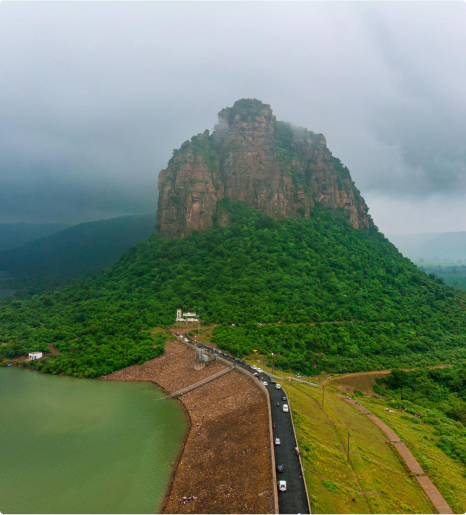
Karamchat Dam

Karamchat Dam

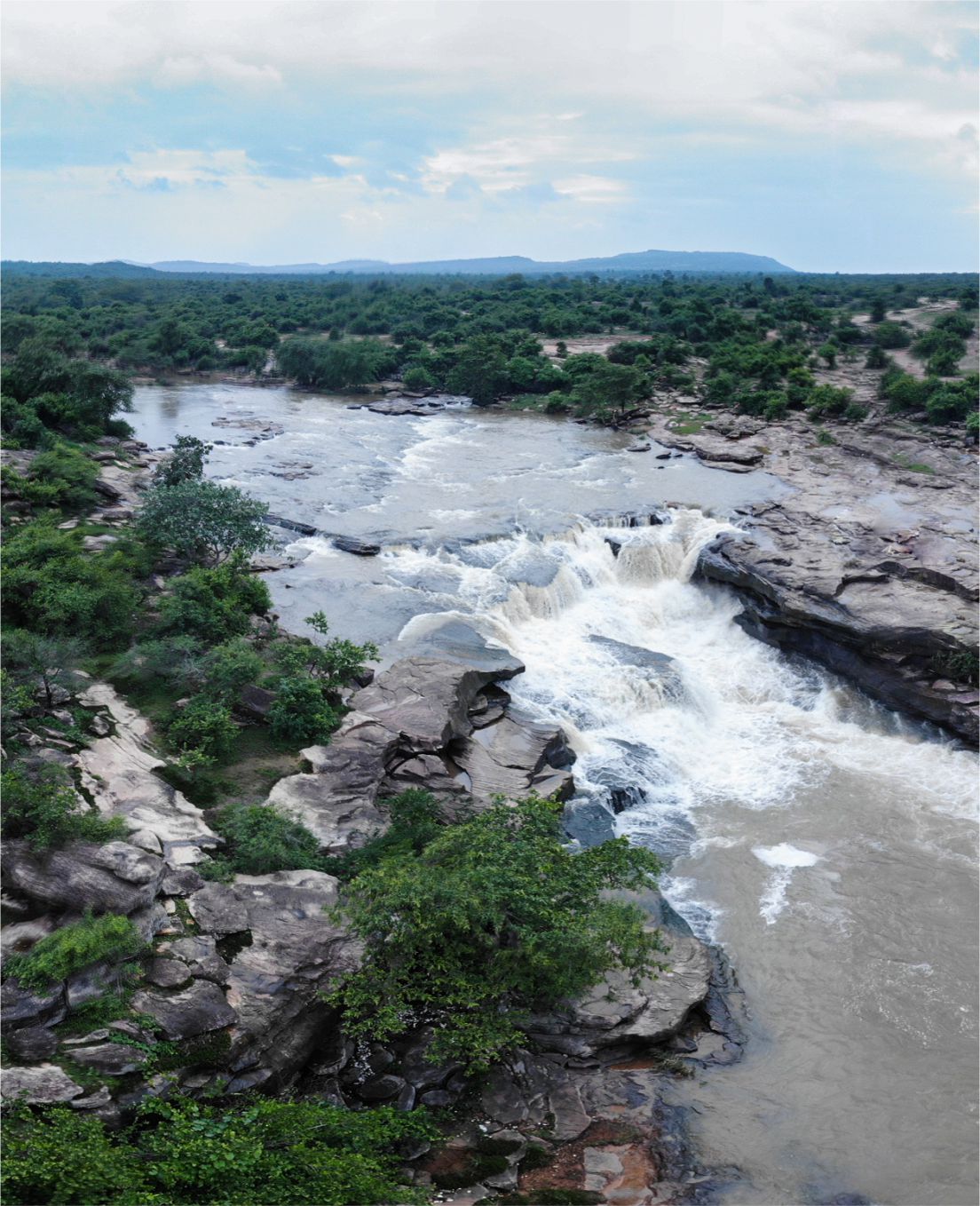
It is also known as Durgawati Dam. It is one of the most preferred tourist sites, Karamchat dam is a water storage dam near karamchat village along the border of Kaimur and Rohtas district located near Chenari and is around 35 kms from Sasaram. The view at the time of sunrise and sunset is indeed mesmerizing and scenic. The foundation stone for the project was laid in 1976 by then Union Agriculture Minister Jagjivan Ram. It is drained by Durgawati river whose source lies in the Kaimur hills of Kaimur and Rohtas Forest Division.

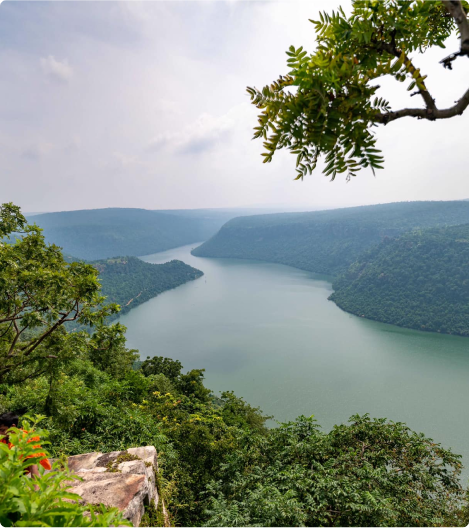
Shergarh Valley

One of the marvels of natural beauty and magnificence of valley of Rohtas Forest Division, which lie deep within the jungle and are seldom visited. It is situated at the Durgawati River, which runs between the hills of Kaimur and Rohtas Forest Division. During monsoon and in winter the view is mesmerizing filled with zigzag lush green hills along the valley with a pleasure to the human eyes. The view can be best seen from the top of Shergarh Fort located near Karamchat Dam.

Shergarh Valley

Rohtasgarh Valley

Rohtasgarh Valley

Another gem of beautiful forest of Rohtas Forest Division. It is located near Rohtasgarh Fort in the southern region of Dehri. The valley has diverse vegetation and lush green almost all-round year. It harbors a number of other faunal species some of which figure in the IUCN Red Data List.  These are Leopard, Indian Pangolin, Porcupine, Wild dogs, Jackal, Sloth bear.

Goria Village Scenic Beauty

A small village hamlet situated inside the deep of jungle of Rohtas Forest Division, 21km away from Sasaram main town. The village lies in the valley which is surrounded by the hills and a perennial water stream running along the hills gives a breathtaking view to any tourist person that one wants to stay in such location for somedays. Early morning and sunset view is enough to make a human being to fall in love with the nature.

Goria Village Scenic Beauty

Waterfalls

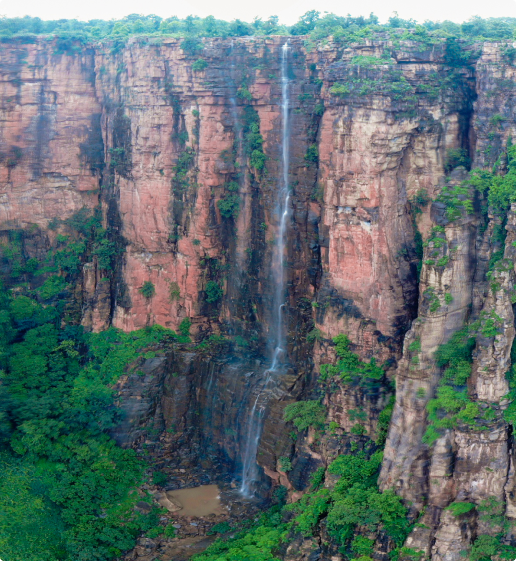
Kashish Waterfall

kashish Waterfall


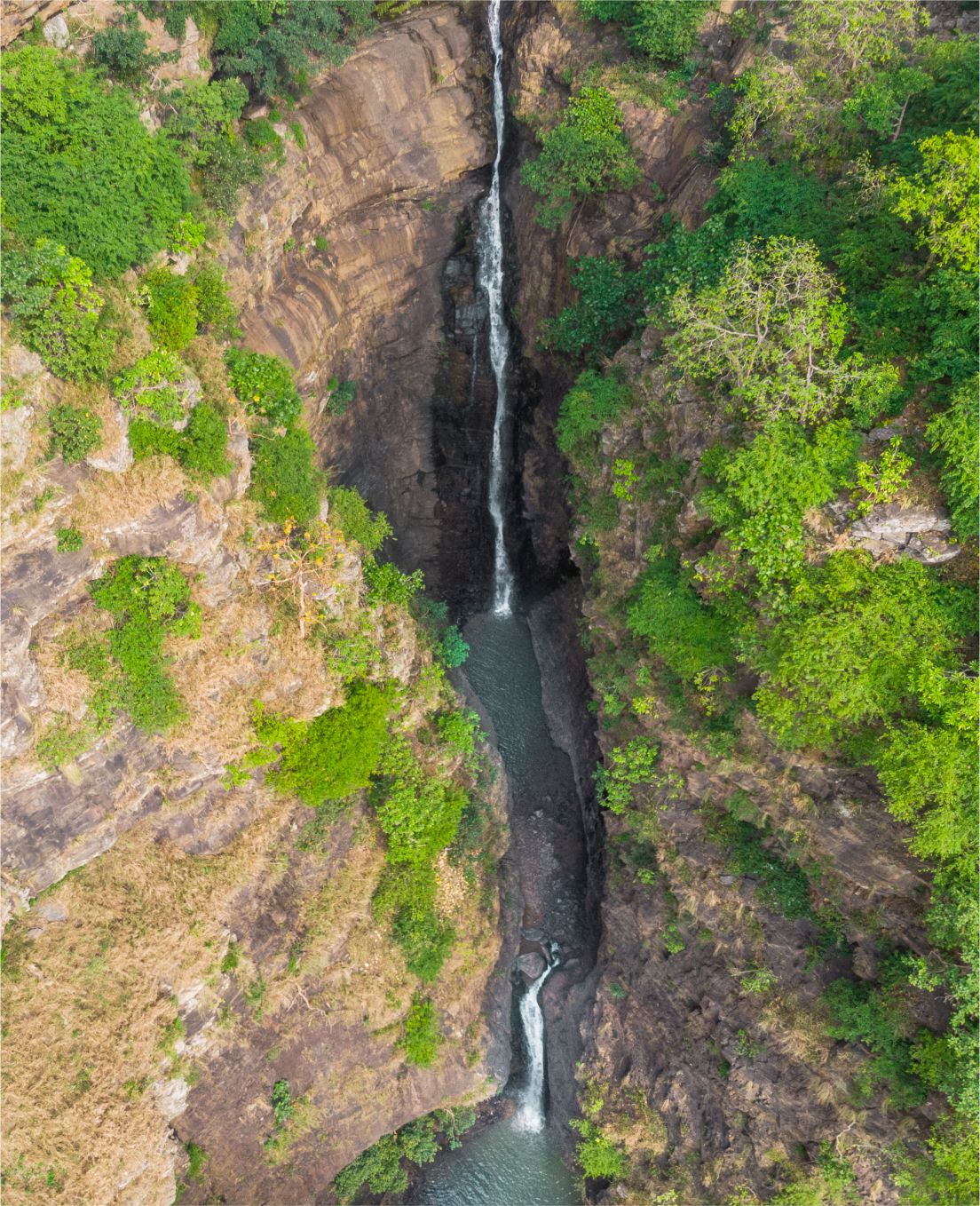
One of the many beautiful waterfalls of Kaimur hills of Rohtas Forest Division. It is located in Amjhor of Rohtas district. The height of the waterfall is approximately 800 feet and as per the locals, one can witness 4 waterfalls falling from the mountain in three directions. Aristotle said it right when he quoted “In all things of nature there is something of the marvelous.” The beauty of the site is just beyond imagination and narrates the nature’s tale of fairyland.

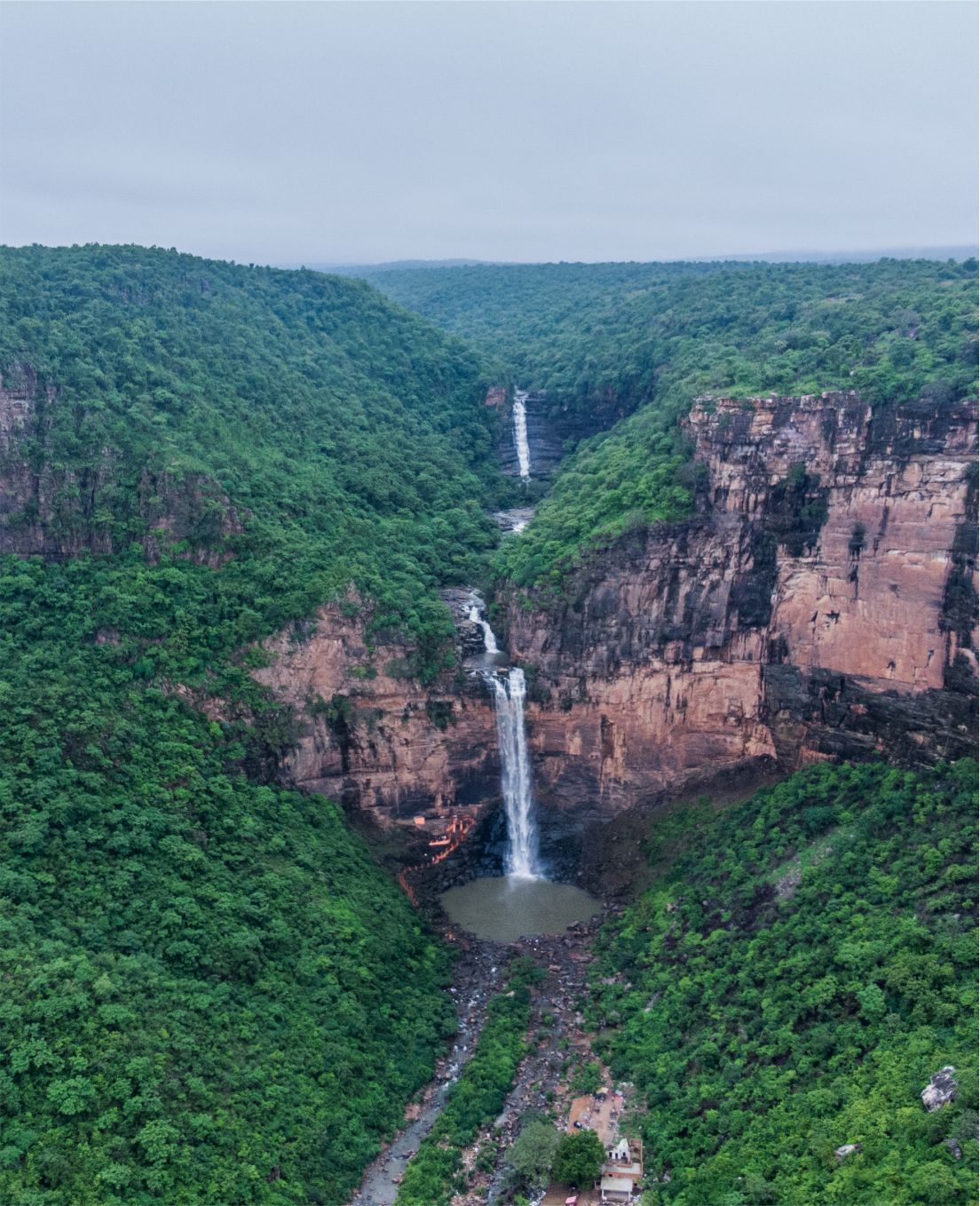
Tutla Bhawani Waterfall

Tutula Bhawani (also Tutrahi or Titula Dham) is located nearby Tilauthu and approximately 20 Km south west from Dehri-on-Sone. An important ancient temple called Tutla Bhawani attracts more than 50000 tourists in a month (in peak it may go up to 1-2 lakh per month). From north-west and south-east, there are two large mountains. The two large mountains one from north west and another from south east at converge to create a green valley which stretches to 1 mile, there’s a spring fall in the middle and from the middle of the valley a Kachuar river flows. All this creates a fascinating scene, from east this valley stretches 300 M wick wharves, from west it shrinks to only 50M from west a spring fall is created which falls from a height of 200 M.

Tutla Bhawani Waterfall

Manjhar Kund

Manjhar Kund

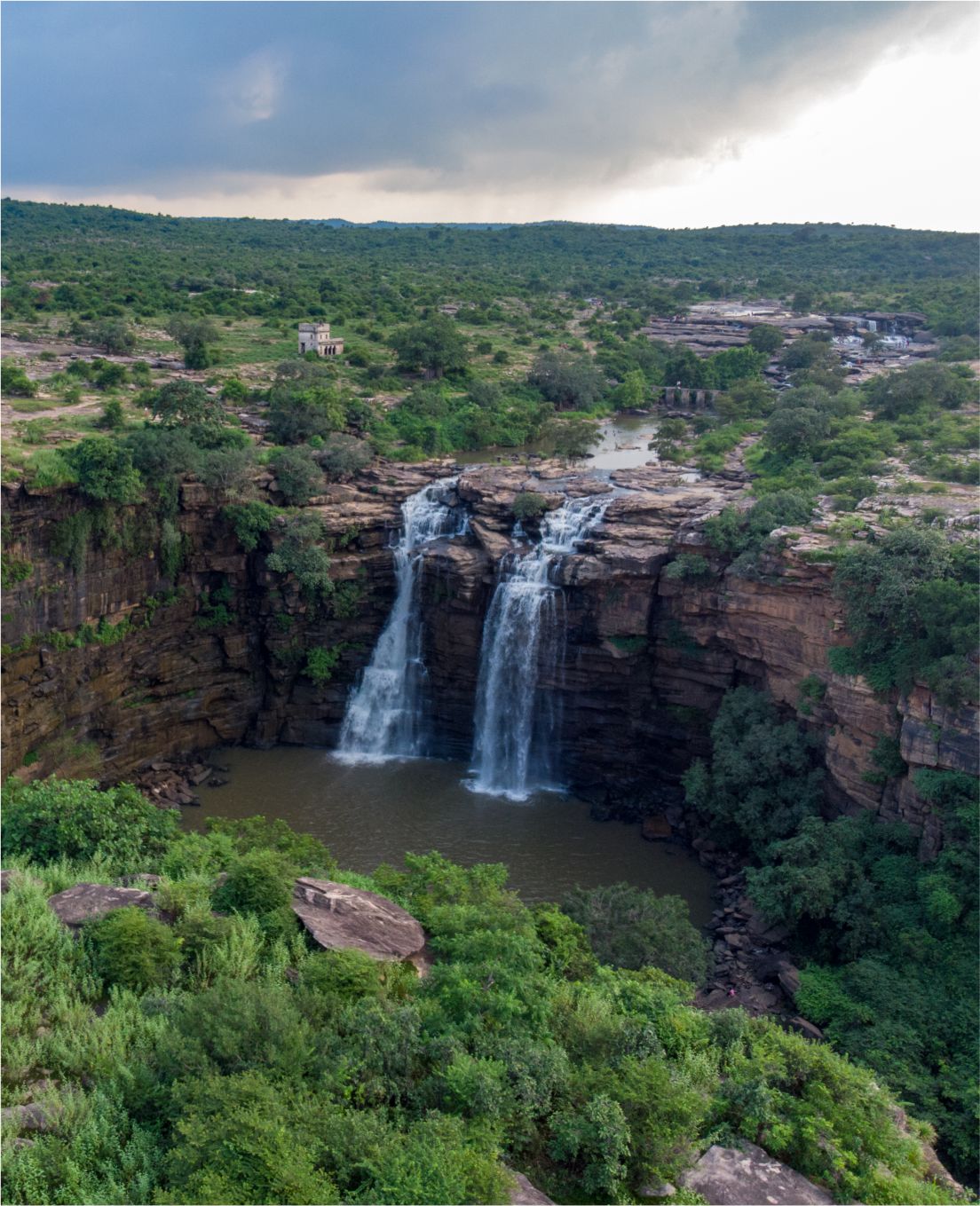
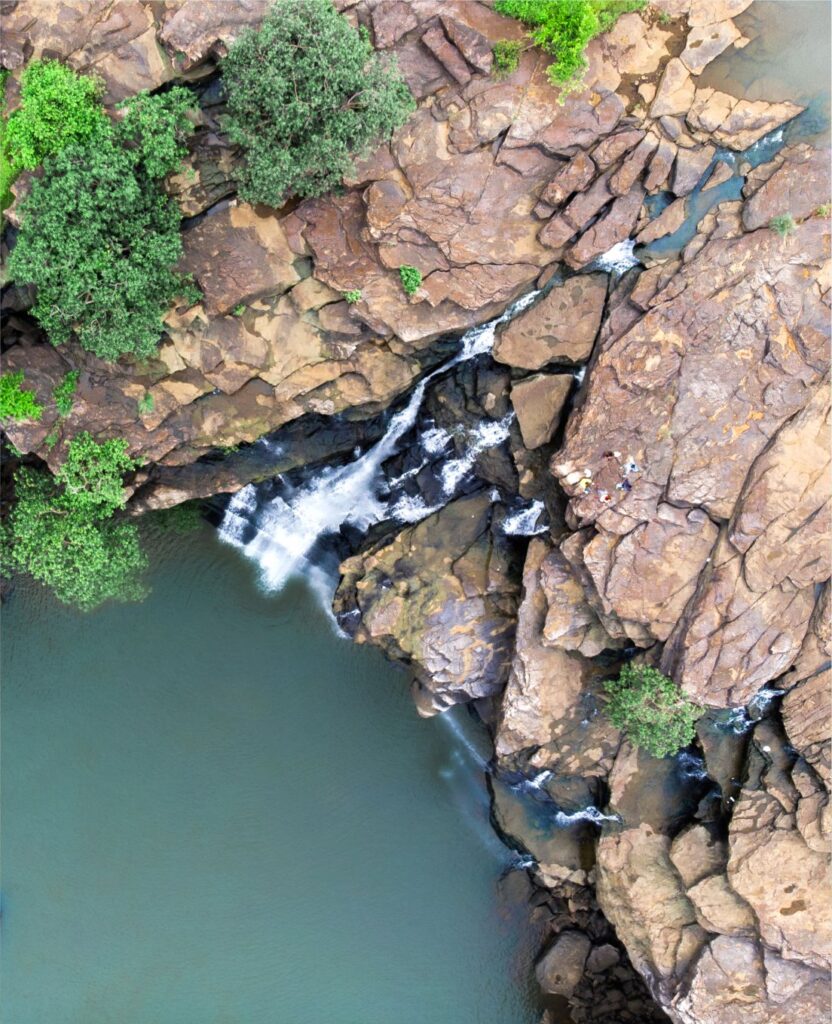
Manjhar Kund waterfalls situated on Kaimur hills inside Kaimur Wildlife Sanctuary, 10 km from the Sasaram. According to the ancient history there was the tradition of carrying the Guru Granth Sahib. The people of the Sikh community used to stay on the Manjhar Kund for three days. It is said that the water of the Kund is full of natural minerals and very helpful in digesting food. It is the most beautiful spot and scenic place in Sawan. There is a tradition of fair on the first Sunday after the Raksha Bandhan festival. It is the second most visited waterfall in Rohtas Forest Division and attracts lakhs of tourist specially during monsoon season. But due to too much water flow during monsoon and undulating terrain it is better to take precautions before going very near to this waterfall.

Mahadev Khoh

Another pearl from the gem of waterfalls of Kaimur hills of Rohtas Forest Division is Mahadev Koh. It is located in in nauhatta block of Rohtas district. During the saawan period this waterfall witnesses huge number of shiva devotees from Bihar, Jharkhand and UP coming and praying.

Mahadev Khoh

Dhuwa Kund

Dhuwa Kund

Dhuwan Kund is situated on Kaimur Hill, around 15 km from Sasaram near Manjhar Kund. It is a beautiful attraction amidst the green life around. During sunrise and sunset, the waterfall provides mesmerizing view, with water sparkling in its glow and spreading dazzling shade of the beauty. As the name suggest the water droplets looks like “dhua” or smoke after falling from such height. The dusk emerging from the day undoubtedly gives a heavenly feeling. The clouds full of drawing kind of sun rays entwine with the smoky horizon and peep out of the creek with a tranquil smile.

Geeta Ghat

Located around 10Km from Sasaram town another mesmerizing waterfall is situated named Geeta ghat. It is a beautiful place in a hot weather by providing soothing and lush green environment to all. The Geeta ghat road runs along the beautiful, eye-catching escarpment of Kaimur hills and during monsoon season one can see more than 50 waterfall along the road.

Geeta Ghat

Gupta Dham

Gupta Dham

It is a natural cave situated in a valley of Kaimur hill of Kaimur Wildlife Sanctuary. A small rock made of lime deposits in the form of Shivling is called Gupteshwar Mahadev. A fair is held here on the occasions of Shivratri and Basant Panchami, in which huge crowd gather. One can reach this place through forest road from Karamchat dam.

Monuments

Tomb of Shershah

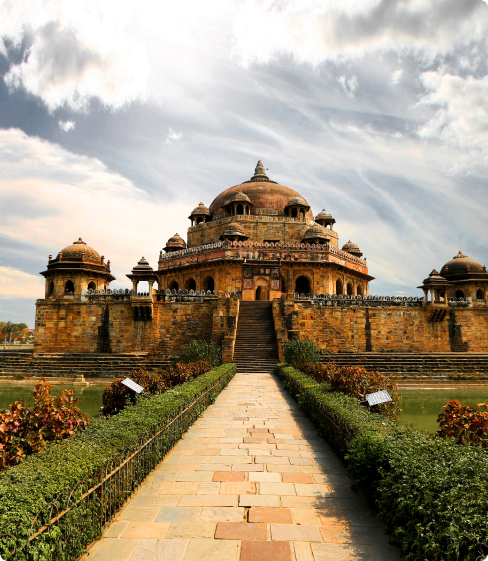
The Tomb of Sher Shah Suri is situated at Sasaram in Rohtas district of Bihar. Sher Shah Suri’s tomb is a majestic example of ancient architecture. It has elements of Indo-Islamic architecture which include large open courtyards, high domes, and pillars; it has hints of Afghan architecture as well. This beautiful structure is a three-storied high mausoleum (approximately one hundred and twenty-two feet). It stands in the middle of an artificial square-shaped lake

Tomb of Shershah Suri

Shergarh Fort

Shergarh Fort

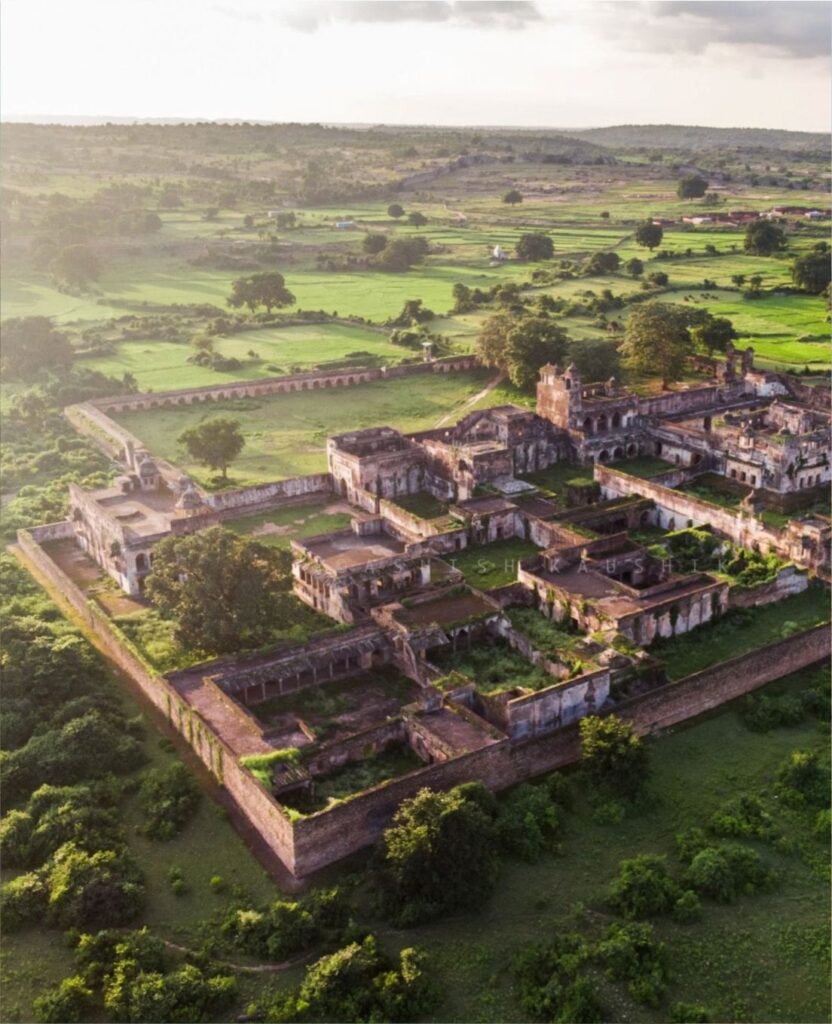
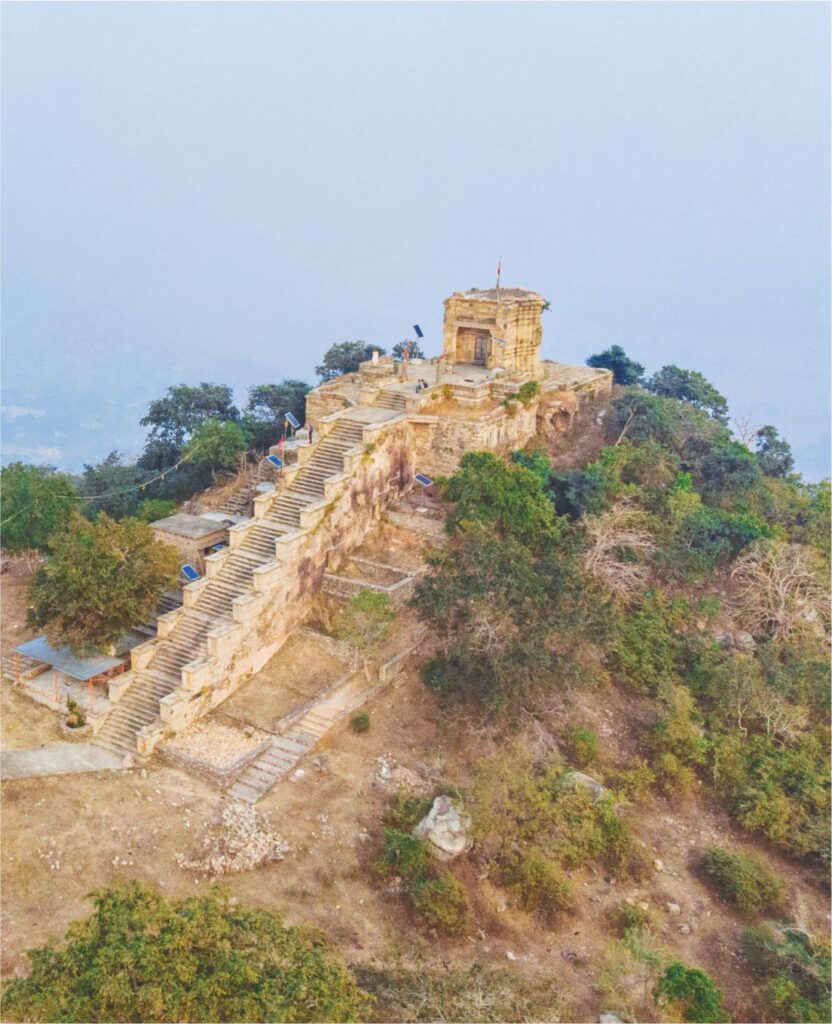
The ‘Fort of Shergarh’ is the mysterious fort located near Karamchat Dam in Chenari, Rohtas Forest Divisios. Built before 16th century by the early tribal Rajput rulers of Kaimur hills, located on the hills of Kaimur, is unlike any other fort. Surrounded by forests on three sides, and the river Durgavati on one side, the fort is strategically built in such a way that it is not visible to anyone from outside. There are hundreds of tunnels and basements in this fort, and no one knows where they lead to. To get inside the fort, one must first pass through a tunnel that will transport you back in time. When the tunnels are closed, the fort is no longer visible to anyone. It is best suited for trekking.

Rohtasgarh Fort

The Rohtasgarh Fort is one of the most ancient forts in India. It is a seat of power and a source of legend that offers a mesmerizing view after a climb of the hill. The Rohtas Fort is constructed on a plateau over the top of a hill with steeply rising sides. It stands as a symbol of courage, strength and supremacy of the Sone valley. The fort itself has great places which capture the attention of tourists like Ganesh Temple, Elephant Gate, the Hanging House Hathiya Pol, the Aina Mahal, Habsh Khan Mausoleum, Jami Masjid, Diwan-e-khas, Diwan-e-aam, Rohtasan Temple and Devi Temple. The fort is situated at about 1500 feet above sea level and for the visitor they are an exhausting climb of an hour and a half.

In early period in the Harivamsa Purana it is stated that Rohita, the son of Harishchandra, had Rohitpura constructed with a view of consummation of his dominion. The tradition that Rohtas was once the seat of their race lingers among the Kharwars, Oraons and the Cheros.

Rohtasgarh Fort

Shaukha Rauza

Shaukha Rauza

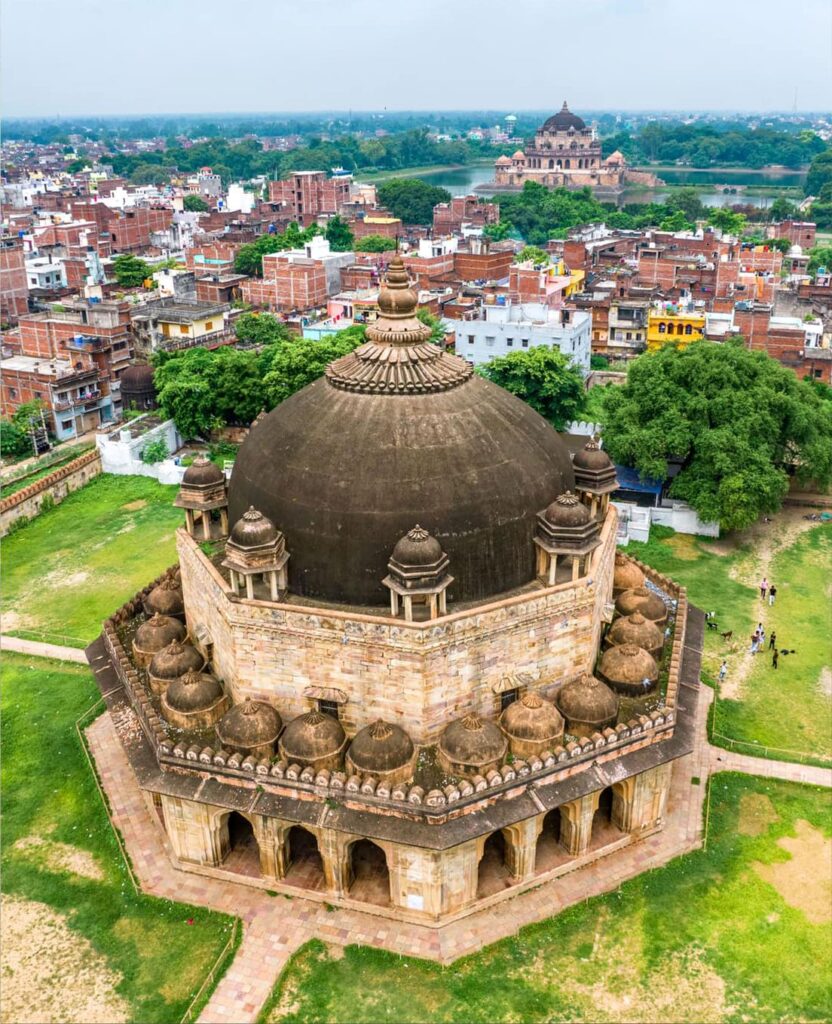
The tomb is that of Hasan Khan Suri, father of Sultan Sher Shah Suri, at Sasaram. The largely grey sandstone tomb was designed by the architect Aliwal Khan and built between 1540 and 1545. It is octagonal in plan and is topped by an impressive dome surrounded by ornamental domed kiosks. There is a single-story verandah running around its circumference, with three arched openings in each side, that creates an ambulatory around the central octagonal chamber within. The tomb sits within a square walled enclosure in the city with a monumental gateway at the center of each side and turrets at each corner.

Chaurasan Temple

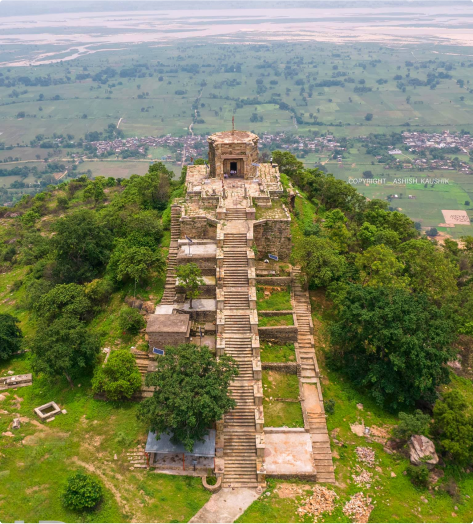
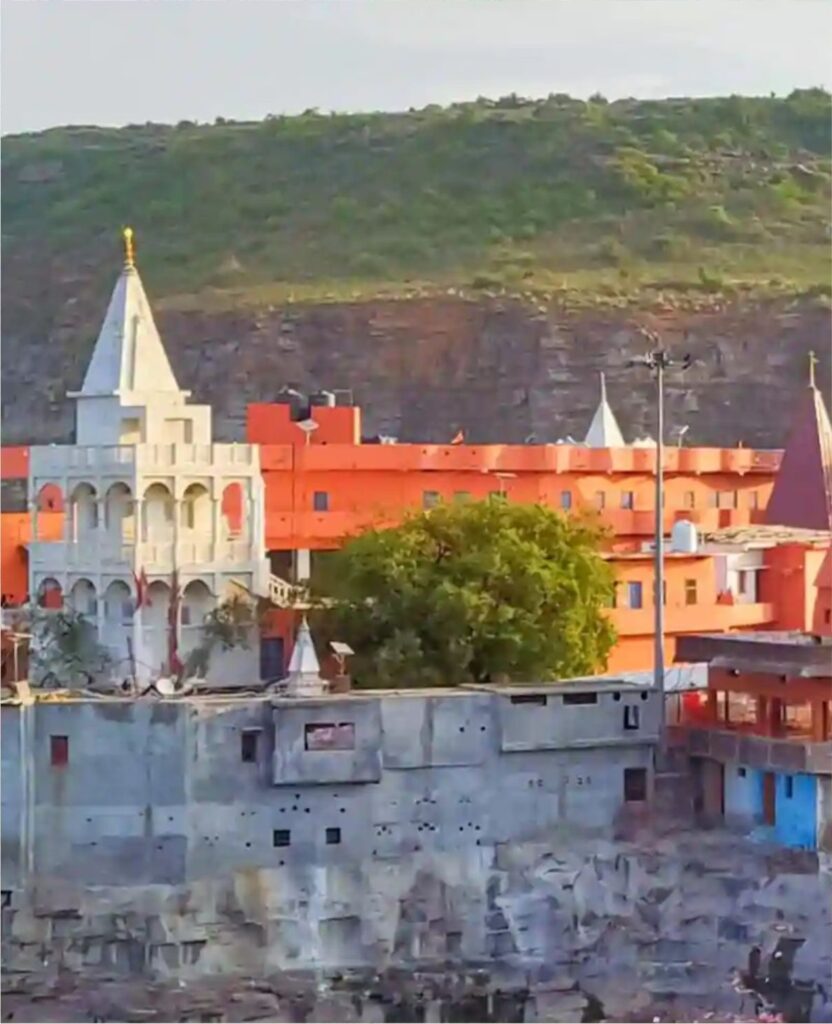
Located near Rohtasgarh fort, takes around 2 hrs from Rohtas block headquarter to reach this beautiful ancient temple. It takes 84 stairs to reach this Lord Shiva temple, and hence named as Chaurasan.

Chaurasan Temple

Phulwari Cave Inscription

Phulwari Cave Inscription

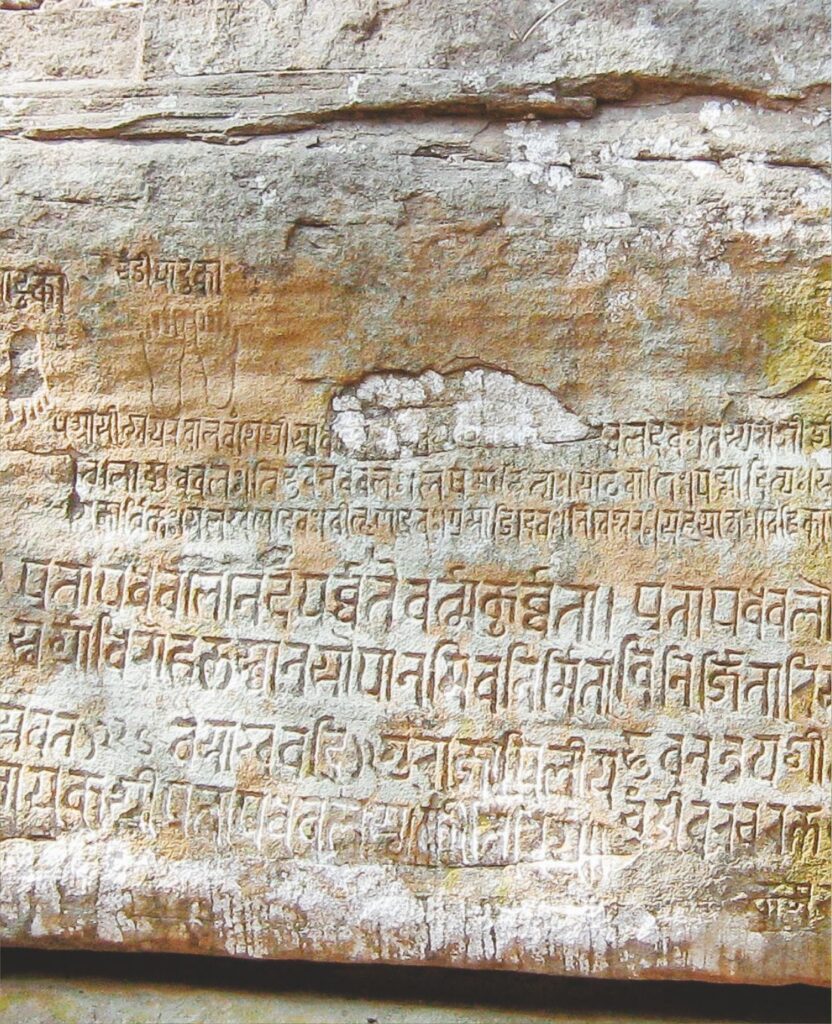
Phulwaria village is situated in the forest on top of a hill of about 1500 feet inside the jungle of Kaimure Wildlife Sanctuary of Rohtas Forest Division. Although this village has many archaeological evidences in its hands, but Pratap Dhaval Dev, the hero of Khayarwal dynasty, has got his second inscription written here, due to which this village has archaeological importance. This inscription is a document of the Khayarwal dynasty, which reveals the complete genealogy. The Phulwaria inscription was written by Pratap Dhaval Dev, the Nayak of the Kaimur-Rohtas region, on Thursday (27 March 1169 AD) in the Vaishakh month of Vikram Samvat 1225, the twelfth date of the Krishna Paksha. The language of this inscription is Sanskrit and the script is early Nagari. The lower part of the inscription is in Sanskrit in bold letters in five lines. According to this inscription, Pratap Dhaval Dev built a road on the river and the mountain and built the steps.

Tarachandi Temple

Maa Tara Chandi Temple is a Hindu temple dedicated to Maa Shakti or Maa Durga, located in Sasaram, Bihar, India. It is one of the 51 Shakti Peetha. is the oldest and one of the most sacred temples of Sasaram. It is regarded as one of the 51 Siddha Shakti Pithas in India. According to Pauranic legends, the “right eye” (Netra) of the corpse of Sati had fallen here when it was chopped off by Lord Vishnu with his “Sudarshan Chakra“. The ancient temple, originally called Maa Sati, is believed to be the abode of the goddess Durga Maa Tara Chandi.

Tarachandi Temple

Megalithic Structure

Megalithic Structure

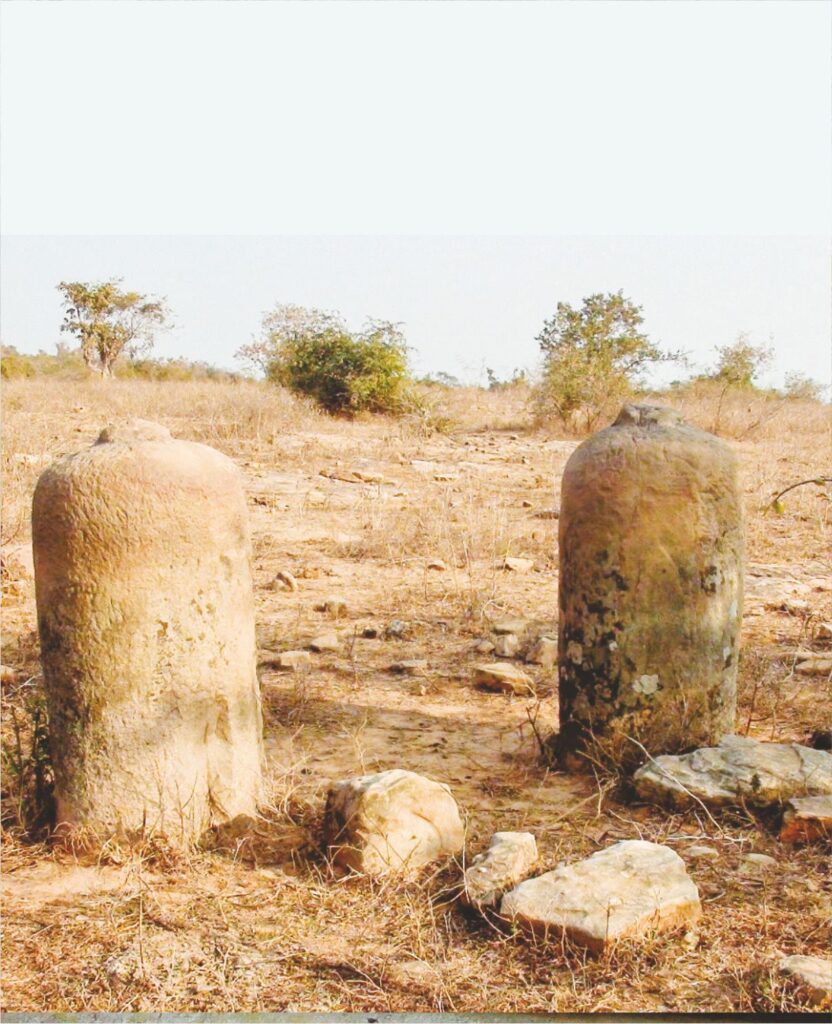
The Munda and Santhal branches of the Nishad-vanshis and the Dravidian-vanshi Oraon, the tradition of megalithic burial in these three tribes is from the time immemorial. This tradition continues even today. Therefore, the remains of the megalithic culture were inevitable in the Kaimur hills. ‘Sangora tombs’ and ‘Stone pillars’ (Menhir) have been discovered from two sites in Kaimur hills. Of these, five megalithic sites have been discovered from Rohtasgarh. There are many ‘Sangora Samadhis’ (Cairn circles) among them. There are also two pairs of ‘Stone pillars’ (Menhir) at two places here. There is a small chuchuk on the top of the pillars. The second megalithic cultural site, Hurmeta at Nauhatta block, has eight small and large stone pillars (Menhir). Earlier more than 30 stone pillars stood here. These were uprooted and used. It is estimated that these tombs are from 1500 BC to 500 BC.

Wildlife

Royal Bengal Tiger

Royal Bengal Tiger

  The Tiger is one of the most magnificent of cats occurring in the Sanctuary. It is a chestnut colored well striped animal with a short coat.  Tigers prey on many animals, especially wild boar, Sambar and other deer, antelopes, young gaur and porcupines. They are nocturnal. Cattle lifting by tigers in the region are not uncommon.  Tigress mate during cold weather.  It is believed that the male Tiger associates with the Tigress only till cubs are born. Kaimur hills richness in biological diversity and the potential of holding a viable tiger population has qualified this area to be one of the nine pioneering sanctuaries. Till 2000, the Kaimur hills has 13 number of tigers. But currently the Kaimur hill act as the transitory region for Tiger. Recently in 2019, tiger from Bandhavgarh area visited the region.

Blackbuck

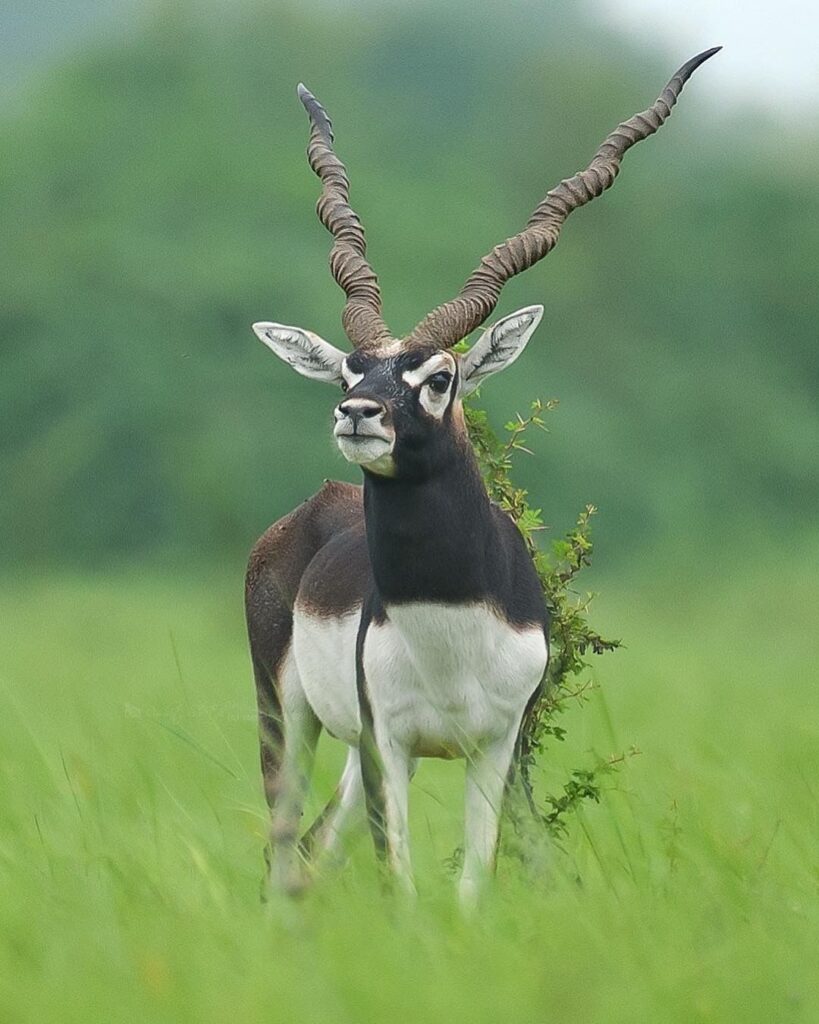
The Blackbuck (Antilope cervicapra), or the Indian Antelope, is a species of antelope native to India and Nepal. Once widespread throughout the Indian subcontinent, it has become extinct in Pakistan and Bangladesh. Rohtas, Kaimur and Bhojpur district of Bihar has a sizeable population of blackbuck. It is the fastest animal on land in India (until cheetah comes into India). The blackbuck is easily recognizable through the dark brown to black colour of the upper part of the coat of its males. Valleys and sides of Kaimur hills provides a natural habitat for blackbuck population.

Blackbuck

Purcupine

Purcupine

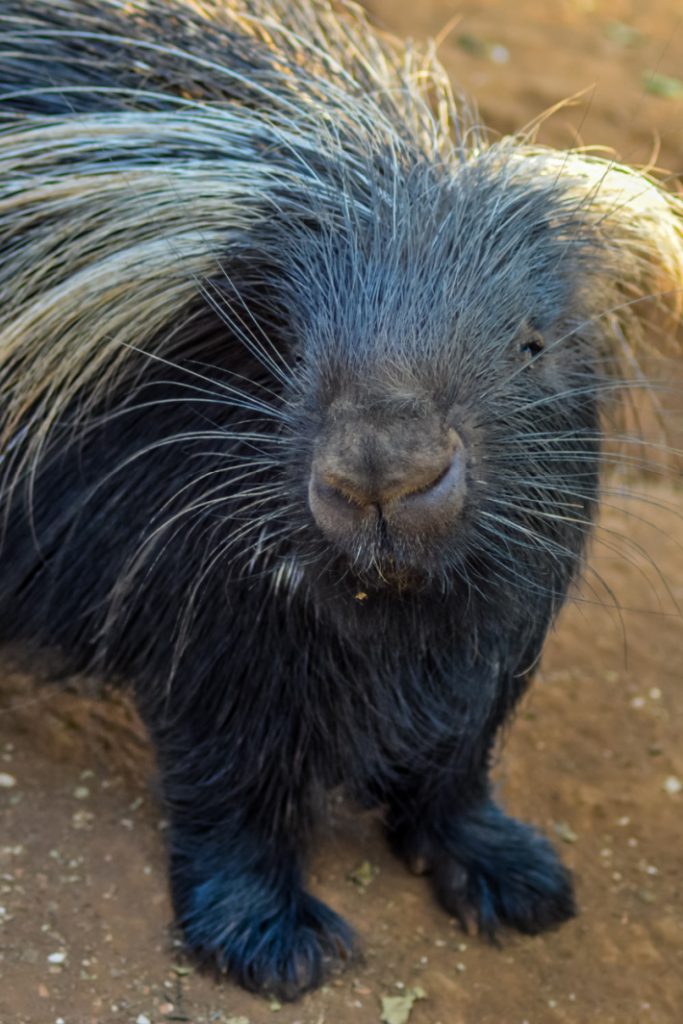
The Indian porcupine is an ‘Old World’ porcupine and one of the world’s largest porcupines. This rodent has rather long quills of up to 16 inches. Unlike the ‘New World’ porcupines, this porcupine is a ground-dwelling and burrowing animal. The amazingly strong front feet allow the animal excavate substantial burrows. The substantial incisors of Indian porcupine never stop growing, so that the animal has to wear down its teeth, which it does through chewing bark, trees, chain link fence and sometimes cement. One can witness a sufficient population of porcupine in Kaimur hills but mostly in night.

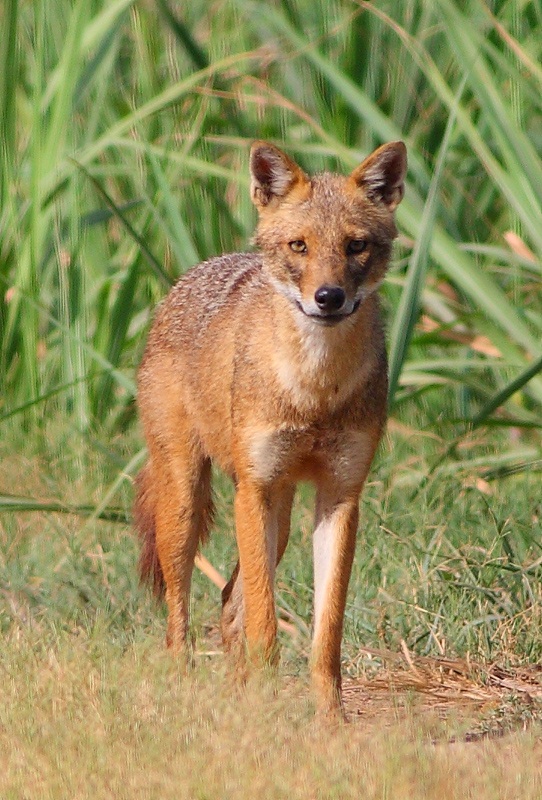
Jackal

When one visits the deep jungle of Rohtas Forest Division one can easily get the sightseeing of Golden Jackal in Kaimur hills. The golden jackal is similar to the gray wolf but is distinguished by its smaller size, lighter weight, more elongated torso, less-prominent forehead, shorter legs and tail, and a muzzle that is narrower and more pointed. The legs are long in relation to its body, and the feet are slender with small pads.

Jackal

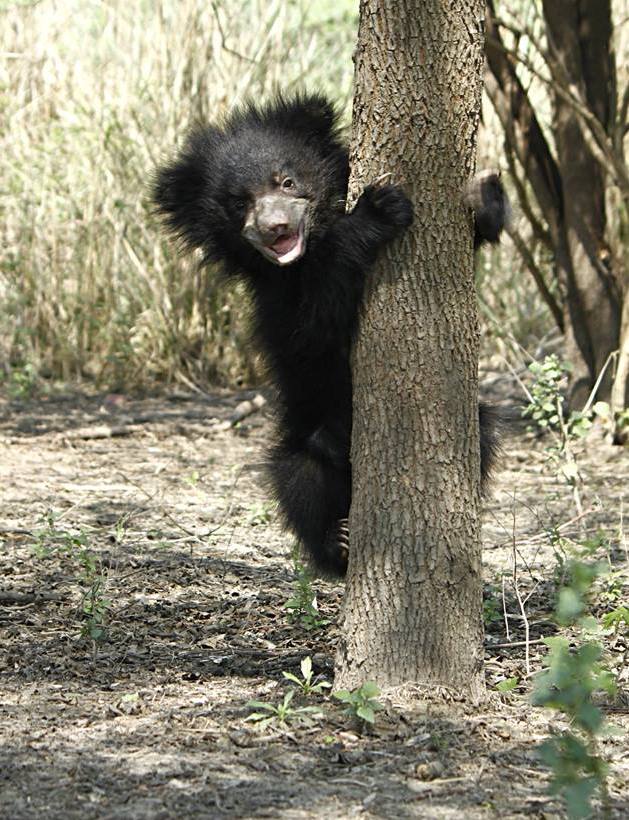
Sloth bear

Sloth bear

Sloth bears are quite common especially in the forest having more miscellaneous trees and where fallen boulders rocky outcrops and caves are available to hide in during the hot hours of the day or during heavy rain fall.  Sloth bears are nocturnal.   They feed on fruits such as wild figs, Tendu, mangoes, Jambul, ber, insects, and termites in particular, honey, and during March and April on the fallen succulent flowers of Mohwa. They are expert tree climbers.  Their mating time is usually in the hot weather.  The locals show much fear, for the animal as it is known to attack unprovoked.

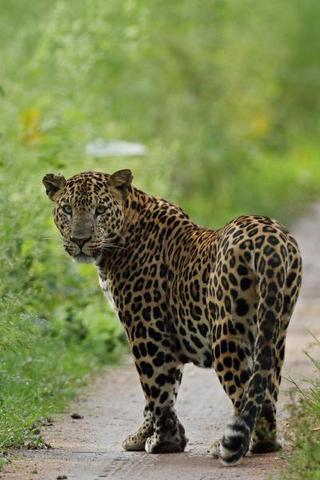
Leopard

The Leopard is much smaller than the Tiger.   Panthers are very highly adaptive and live in any type of country.   The Panther’s diet is more varied than that of the Tiger. They seem to prefer monkeys, peafowl and domestic dogs. They also eat birds, reptiles and crabs.    Big packs of wild dogs are known to kill them.

Leopard

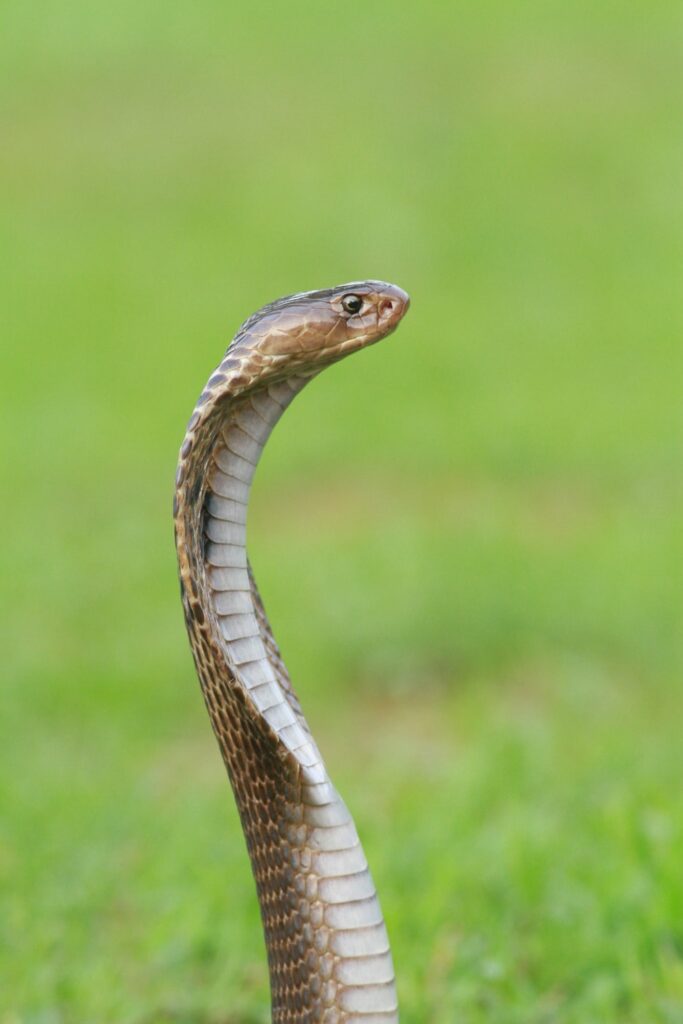
Snakes

Snakes

Kaimur hills harbor around 6 species of snakes. Out of which, some of the most poisonous snakes in the world like Russel Viper, Cobra and Krait are found in the area. The Kaimur hill provides a very good habitat for the reptiles.

Circuits

Karamchat Dam

Eastern Tourist Circuit

Rohtas Forest Division has numerous of tourist places ranging from natural scenic beauty, jaw dropping waterfalls to architectural marvels in form of temples, inscriptions, forts, tombs and cultural heritage. In eastern circuit, the tourist starts from Inderpuri Dam in Dehri. After one can visit Tutla Bhawani waterfall, Kashish Waterfall. From Kashish waterfall one has three options: either enjoy trekking in the lap of nature, hills and valleys through AKbarpur to Chaurasan temple to Rohtasgarh Fort or one can reach Rohtasgarh fort directly via vehicle or one can proceed further to Mahadev Koh waterfall and reach trijunction of Bihar, UP and Jharkhand.

Western Tourist Circuit

Western tourist circuit is no less than the eastern circuit in terms of nature beauty, valley, lush green vegetation, trekking, historical inscription, fort and culture. It starts from Sasaram town and goes towards Chenari range. Durgawati/Karamchat dam awaits tourist to show its natural beauty. From Karamchat Dam one can go further into deep jungle via jungle safari towards Guptadham temple (stalactites cave). During this jungle safari he/she will witness the beautiful Shergarh valley, numerous waterfalls, river stream and dense jungle. Further from Karamchat Dam, one has the option to go for uphill trekking to The Mysterious Shergarh Fort.

Karamchat Dam

Karamchat Dam

Central Tourist Circuit

It starts from Sasaram town to Shershah tomb, Shaukha Rauza tomb, and then to the marvelous but risky waterfall Majhar Kund and Dhua Kund. From Manjhar Kund one can directly go downhill trekking to Geeta ghat waterfall. But to relive the nature and experience the breath taking beauty of Rohtas Forest one should try uphill trekking of Geeta ghat waterfall.

How to reach Kaimur Wildlife Sanctuary, Rohtas Forest Division

Drive Route to Rohtas Forest Division Office.

From Banaras : 2 hr 54 min (126.6 km) via Grand Trunk Road

From Gaya : 2 hr 56 min (128.8 km) via Grand Trunk Rd

From Patna : 3 hr 42 min (150.6 km) via Nh922

Sasaram (SSM): 2 KM

Bhabhua ( BBU) : 62 KM

Dehri On Sone ( DOS) : 19 KM

Deen Dayal Upadhyay (DDU) : 100 KM

Patna (PNBE) : 150 KM

Banaras ( 122.9 km)

Gaya ( 128.8 km)

Patna ( 150.6 km)

Address

Rohtas Forest Division, Van Bhawan, Fazal Ganj, Opp., Town Thana, Sasaram, 821115, Bihar

Contact Us

Find Us Online

Add Your Heading Text Here

Lorem ipsum dolor sit amet, consectetur adipiscing elit. Ut elit tellus, luctus nec ullamcorper mattis, pulvinar dapibus leo.

Lorem ipsum dolor sit amet, consectetur adipiscing elit. Ut elit tellus, luctus nec ullamcorper mattis, pulvinar dapibus leo.

Lorem ipsum dolor sit amet, consectetur adipiscing elit. Ut elit tellus, luctus nec ullamcorper mattis, pulvinar dapibus leo.

Lorem ipsum dolor sit amet, consectetur adipiscing elit. Ut elit tellus, luctus nec ullamcorper mattis, pulvinar dapibus leo.